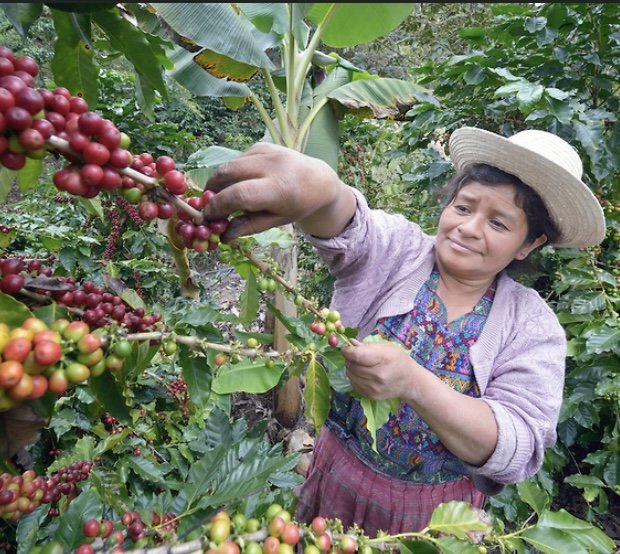
The Bean Lineup….
Honduras:
Honduras coffee quality spans a huge range, from a lower-cost Central American blender coffee to high-grown lots that rival great quality Guatemala coffees. The areas of La Paz, Santa Rosa, Copan, Santa Barbara, Lempira, Ocotepeque, and others can produce high quality coffees.
Honduras coffees can range from bright, acidic flavour profiles, lightly fruited and with strong cane sugar sweetness, to more caramel-like, lower acidity coffees that are great in espresso.
-
This amazing offer has balanced, nutty notes and has been directly imported with care to ensure the consistency and quality of the green bean is never compromised. Las Capucas is a small municipality in the coffee growing region of Copan. Cooperativa Cafetalera Capucas Limited has become a major powerhouse of specialty coffee, in great extent due to developing operational and sustainability programs.
Process: Washed
Drying: Patio Dried
Grade: SHG EP
Altitude: 1450-1650 M
Taste: Black Cherry, Caramel, Chocolate
Score: 86.25
-
This superior coffee has complex flavours of citrus, fruit, brown sugar and chocolate. It is produced by the Cooperative Cafetelera Sanmarquena, from the Western region of Honduras known as Maracala. This region has the advantage of an ideal climate to grow, process, and dry coffee, the later being very important for constant, stable post roast flavouring.
Process: Washed
Drying: Patio &Dried
Grade: SHG EP
Altitude: 1450-1800 M
Taste: Orange Citrus, Cherry, Caramelized Brown Sugar, Dark Chocolate
Score: 86.00
Brazil:
Brazil is the world’s largest producer of arabica coffee. Brazilian Coffee is nutty, sweet, low in acidity, and develops nice bittersweet and chocolate roast tastes. Brazil is roasted and sold as a single-origin coffee, but it is often used in blends for the sake of cost control.
Brazil coffees are common in espresso, both in high-end blends and in commercial coffees like Tim Hortons.
The Bean Lineup….

-
Brazil Florada Fancy Cup is an amazing coffee directly imported from Sul de Minas, Mogiana, and Cerrado with tremendous care to ensure the consistency and quality of the green bean coffee is never compromised. This fantastic high quality coffee bean is harvested from the Catuai and Mundo Novo coffee plant varieties. Brazil Florada Fancy Cup highlights the natural cashew, honey molasses, milk chocolate notes of the coffee beans. The coffee beans are dried using the natural process. The fruit of the coffee cherry is left on during the drying process, allowing the coffee bean to absorb a lot of the natural flavour of the fruit.
Process: Natural
Drying: Patio Dried
Grade: SSFC
Altitude: 700-1500 M
Taste: Cashew, Honey Molasses, Chocolate
Score: 84
Colombia:
Colombia is a diverse group of coffee growing regions spread from North to South along the three "cordilleras," the mountain ranges that are the Northern extensions of the Andes.
Most Colombian coffee comes from small family farms, especially from the growing areas we focus on (Huila, Cauca, Narino, Tolima, and Urrao).
When the picking and processing are done well, they can be exceptional in the cup: Silky body, cane sugar sweetness, floral hints, and traces of tropical fruits are found in the best Colombia coffees.
The Bean Lineup….

-
Colombia Supremo is a delectable green coffee bean from the Antioquia and Quindío regions of Colombia. The primary varieties grown here are the Bourbon, Caturra, and Typica coffee plants, which are resistant to the leaf rust disease known as Roya.
The coffee cherries are washed and sun dried to bring out their natural apple, caramel, and chocolate flavours.
Colombian coffee is referred to by the region in which it is grown, with altitudes ranging from 1,100 - 2,000 meters above sea level. Colombia is the largest producer of washed Arabica coffee and third highest elevation in the world, after Brazil and Vietnam
Process: Washed
Drying: Patio Dried
Grade: Supremo
Altitude: 1500 M
Taste: Apple, Caramel, Chocolate
Score: 84

The Bean Lineup….
Guatemala:
Guatemala is considered by many to be the “crown jewel of Central American coffee.”
Great Guatemalan coffees have a bright cup, floral hints, clean fruited notes, moderate body, and a lingering clean aftertaste. With varying qualities, farms ranging from huge estates to tiny small-holders perched on steep slopes, and different cup characteristics from within the same micro-regions, there is much to learn and appreciate from the complexity of Guatemala coffee.
-
Guatemala Jasmin is a blend of beautiful coffees from Huehuetenango and Cafes de Oriente. It exhibits unique qualities such as a complex combination of fruity and smooth cocoa notes with a citrus acidity. Its name comes from the distinct aroma created by blending the two regions together. Huehuetenango gives these coffee beans a high acidity and a winey quality, while Cafes de Oriente gives them sweetness and body. This specific pairing is what gives it fancy cup status. SHB (Strictly Hard Bean) specifies that the coffee is grown at altitudes above 1350 meters. This term is also synonymous with SHG (Strictly High Grown). EP (European Preparation) specifies that green beans are all hand and color sorted to remove any defects or foreign materials.
Process: Washed
Drying: Patio Dried
Grade: SHB EP
Altitude: 1500-1700 M
Taste: Apple Pie, Chocolate, Tangerine
Score: 84